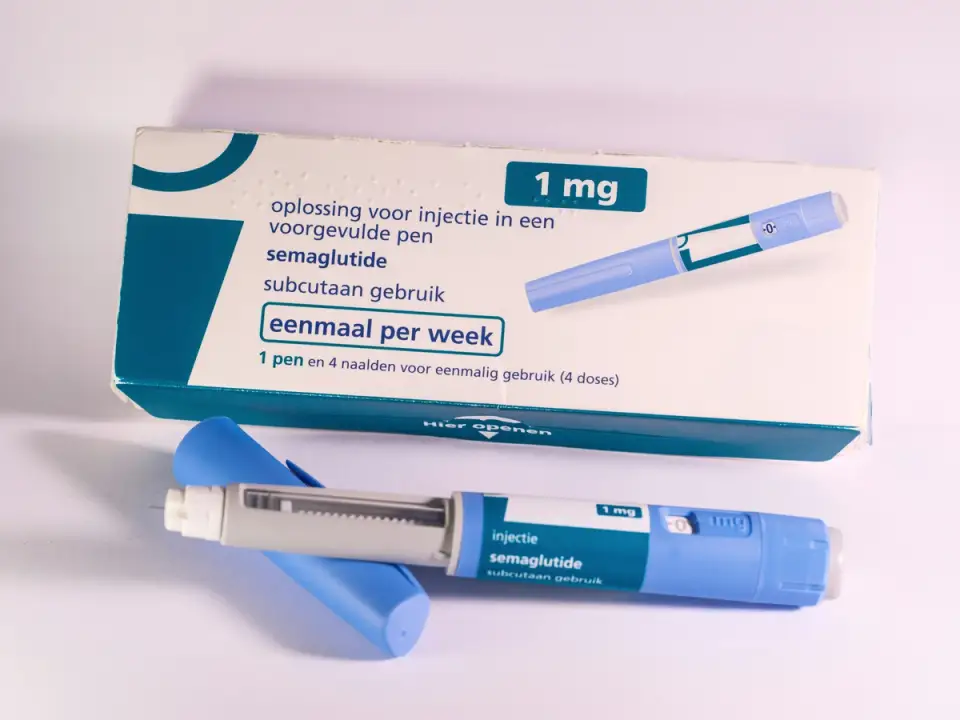
[8] [9] GLP-1 medications work through several complementary mechanisms: Enhancing insulin secretion from pancreatic beta cells in response to elevated blood glucose Suppressing glucagon release , which reduces glucose production by the liver Slowing gastric emptying , helping you feel fuller for longer Acting on appetite centres in the brain to reduce hunger and food intake In the UK, commonly prescribed GLP-1 receptor agonists include semaglutide (Ozempic, Wegovy, Rybelsus), dulaglutide (Trulicity), liraglutide (Victoza, Saxenda), lixisenatide (Lyxumia) and exenatide (Byetta, Bydureon)
This proteasomal inhibiting role can lead to a reduced proteasomal elimination of ubiquinated P-I (phosphorylated-inhibitor kappa), inhibiting nuclear translocation of NF-, suppressing NF-B activation and its consequences of tumor necrosis factor alpha (TNF-), and NO production ( In addition to inhibiting NF-B, riboflavin inhibits the release and expression of High-mobility group protein B1, a nuclear factor involved in sepsis regulation and other immune-mediated conditions with a critical role in sepsis-associated multiple organ failure ( On the other hand, riboflavin has an indirect anti-inflammatory activity through vitamin D metabolism
When levels drop, or your detox pathways get backed up, it can help to supplement with glutathione
Thankfully, there are now treatments that can assist patients in fighting off these feelings